

















What Are Long Pips in Table Tennis?
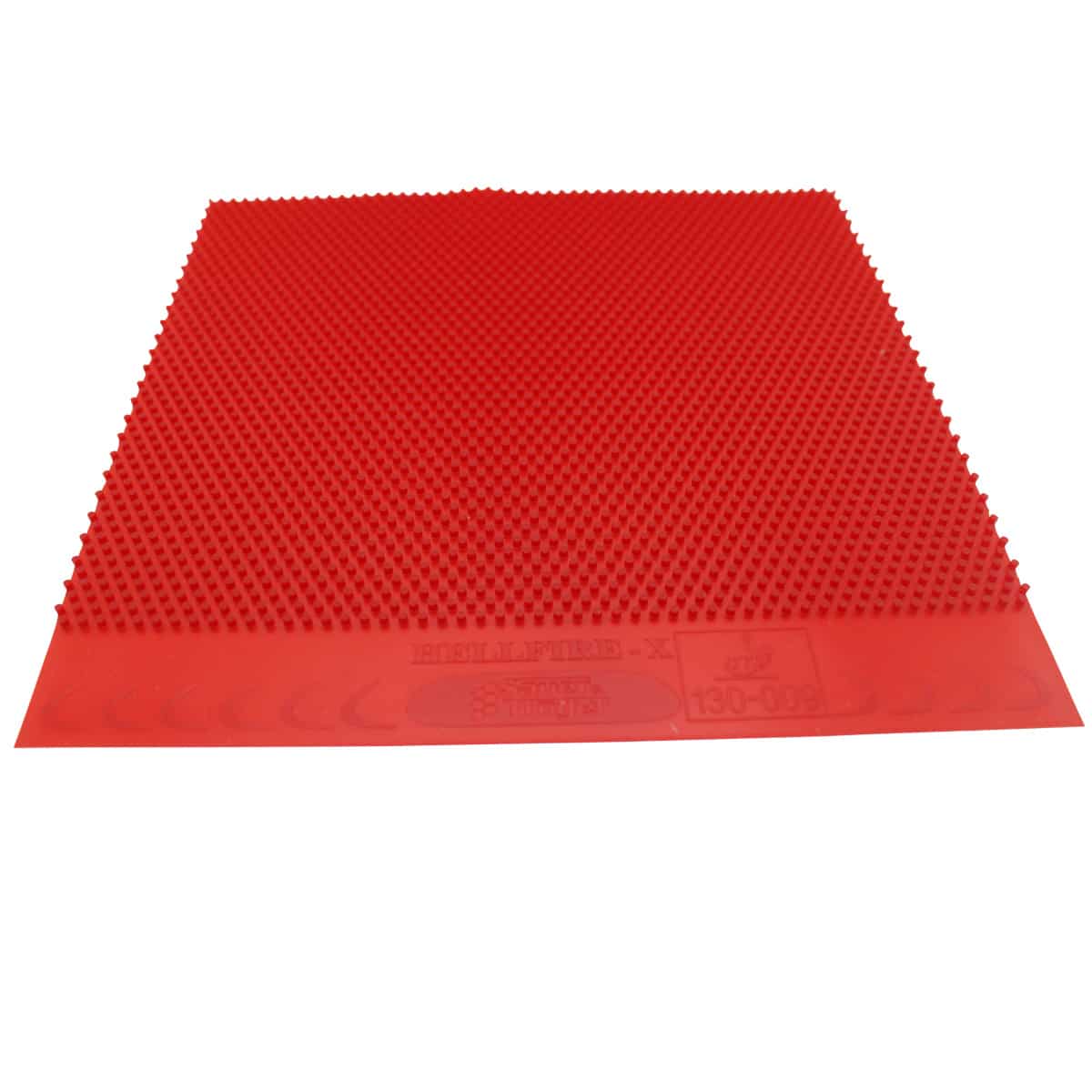
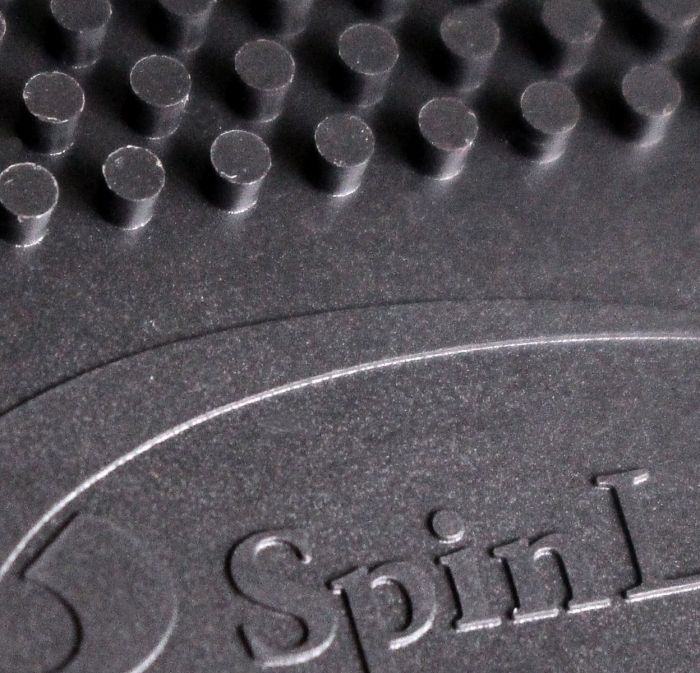
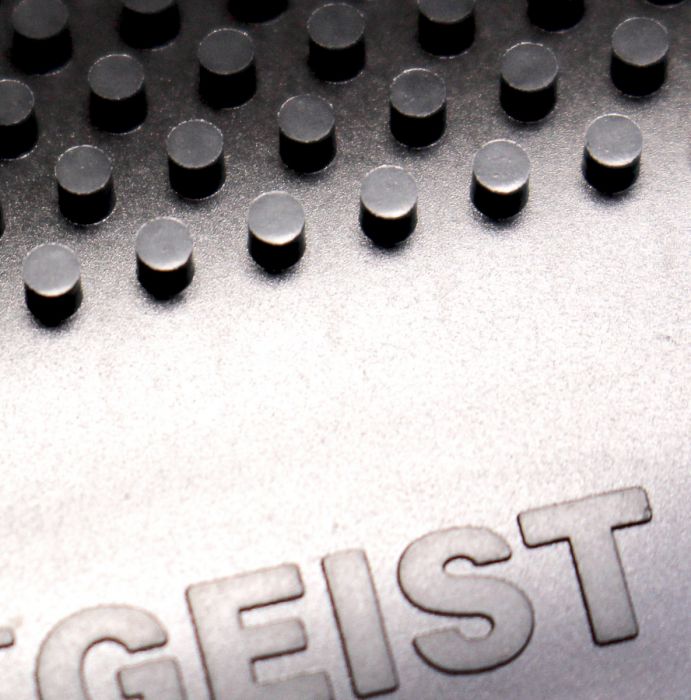
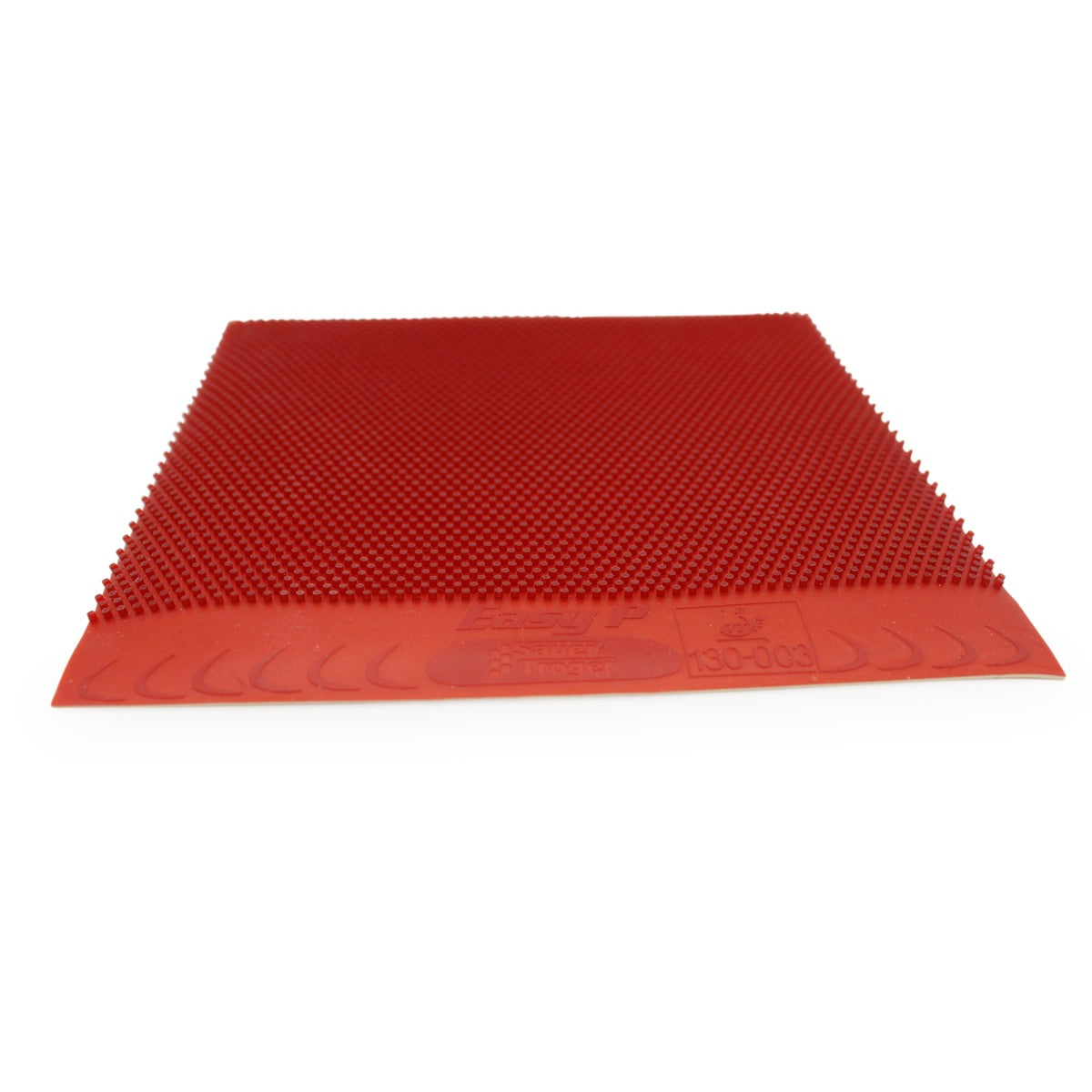
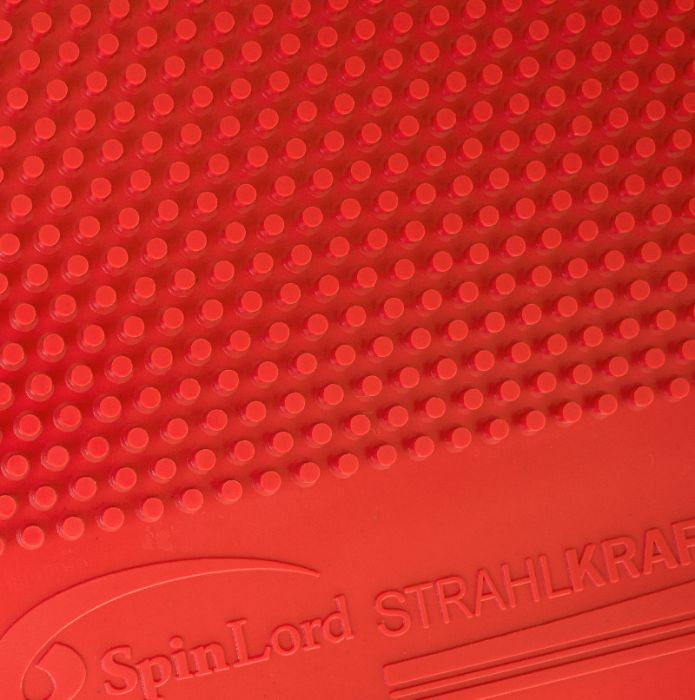
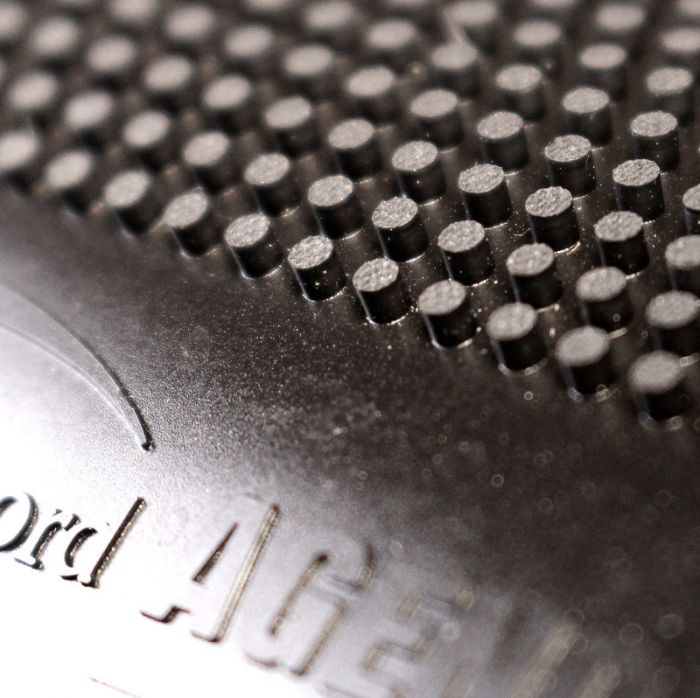
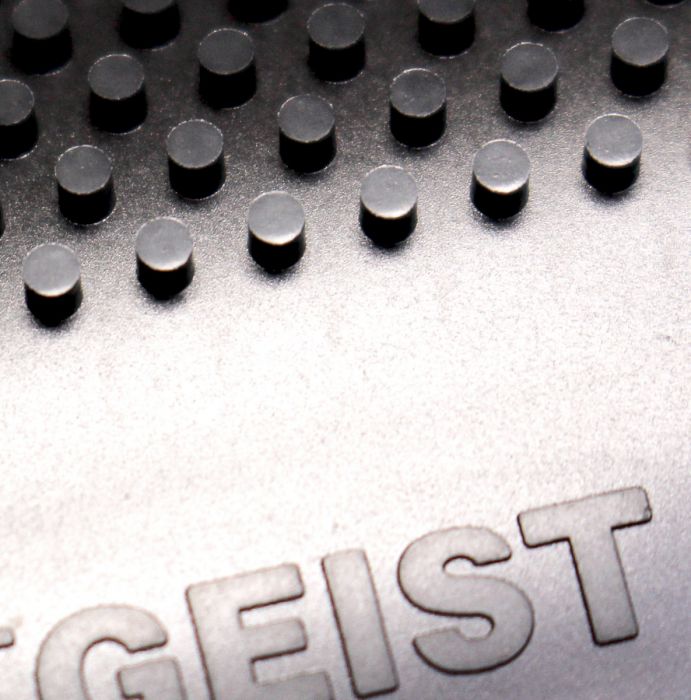
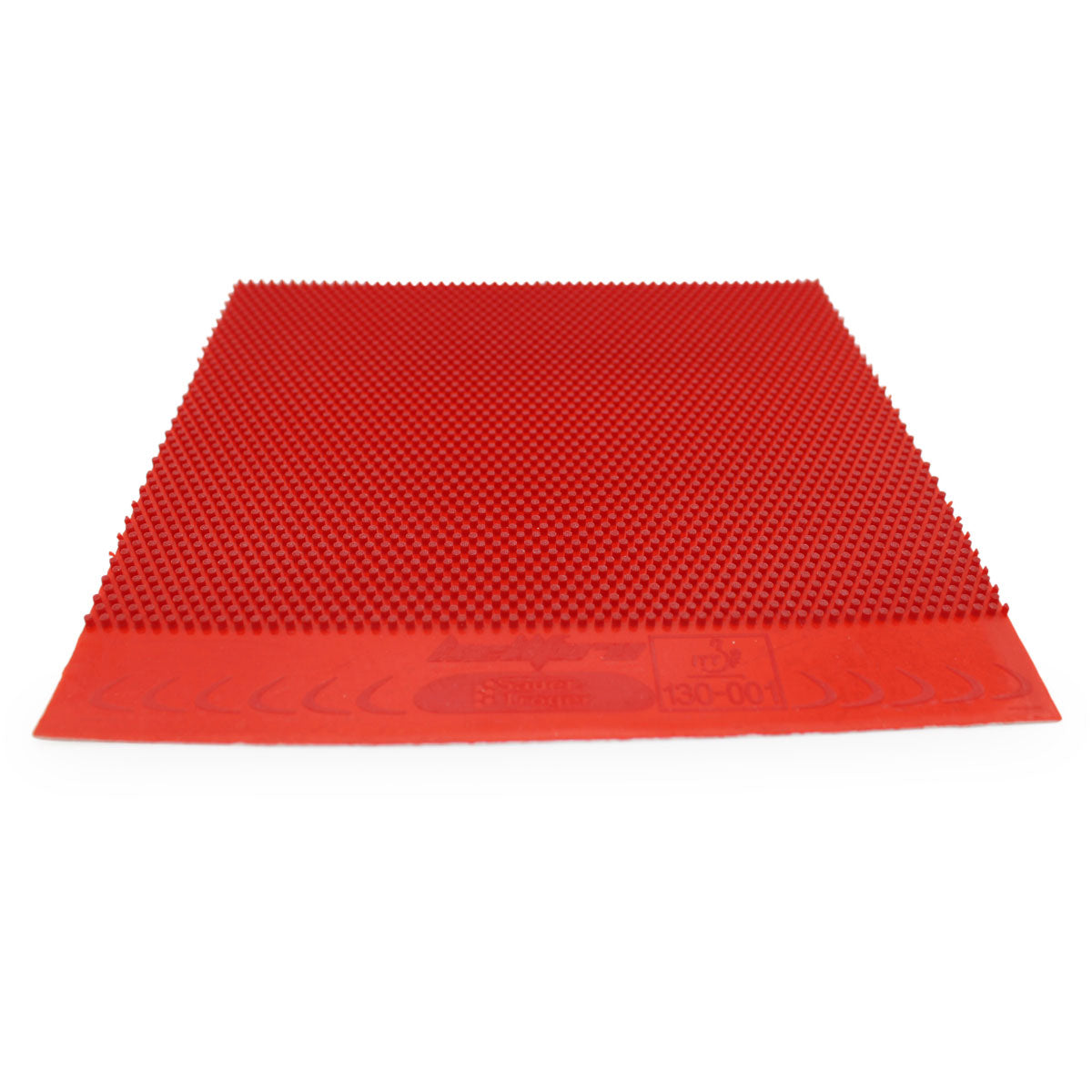
Long pips, also called long pimples, are rubbers with the pimples facing outwards. Compared with conventional inverted rubber, the ball makes contact with a much smaller rubber surface. The pips bend and deform during impact, creating a less direct and often less predictable response.
How Long Pips Rubber Works
The effect of long pips depends on the flexibility, grip, shape and spacing of the pimples. Softer, more flexible pips generally bend more at impact and can produce greater variation. Stiffer pips usually feel more direct and can make active blocking or hitting easier.
Long pips are often described as reversing spin. More precisely, they tend to preserve or modify part of the opponent’s existing rotation rather than generating heavy spin in the same way as inverted rubber. A topspin ball can therefore return with an effect that the opponent experiences as backspin. The exact result depends on the incoming ball and the stroke you play.
Long Pips vs Short Pips
Long and short pimples are designed for different styles. Long pips emphasise disruption, spin variation and control. They are commonly used for blocking close to the table or chopping from distance. Short pips rubbers play faster and more directly and are better suited to flat hitting, countering and taking the ball early.
Why Play With Long Pips Rubber?
Long pips can make it easier to control strong attacks while forcing opponents to adjust their timing. Against topspin, a passive block can return a low ball with backspin-like behaviour. Against backspin, the return may contain light topspin or relatively little spin.
Long pips are generally less sensitive to incoming spin than inverted rubber, which can help with serve receive and blocking heavy topspin. They do not remove spin automatically: racket angle, timing and touch remain essential. Close-to-the-table players can combine passive blocks, chop blocks and active punches, while defenders can absorb speed and return controlled chops from distance.
Choosing the Best Long Pips for Your Playing Style
There is no single best long pimple rubber for every player. The correct choice depends on whether you block, chop or attack, how much control you need and whether you prefer OX or sponge.
Best Long Pips for Blocking
For close-to-the-table blocking, look for good control, a low trajectory and pimples that react reliably to incoming topspin. OX long pips are widely used for this style because they provide direct feedback from the blade and can produce a disruptive return. A thin sponge can add some speed and make active strokes easier, but may also require more precise technique.
Best Long Pips for Chopping
The best long pips for chopping normally combine flexible pimples with a thin, controlled sponge. This helps absorb speed and provides more dwell time when defending away from the table. A thickness between OX and approximately 1.0 mm is common.
Best Long Pips for Attacking and Hitting
Long pips are not purely defensive. Aggressive pushes, punch blocks and hits against loose balls can all apply pressure. Firmer, more direct pimples and a thin sponge often make this easier. Use a relatively open racket angle and a forward stroke rather than the brushing action associated with inverted rubber.
Long Pips With Sponge vs OX
The sponge underneath the pimples has a major influence on speed, touch and playing behaviour.
Long Pips With Sponge
Long pips with sponge feel softer and provide more dwell time. Thin sponge supports chopping, active blocks and attacks. A thicker sponge is faster and more dynamic but makes passive control more demanding.
OX Long Pips Without Sponge
OX means that the pimpled topsheet is glued directly to the blade. It offers a direct feeling and helps close-to-the-table blockers produce short, awkward returns. It is less suitable for attacking or defending well behind the table.
What to Look for When Choosing Long Pips Rubber
Pimple length, width, spacing and flexibility determine how a rubber reacts. Flexible pips generally offer more variation, while stiffer pips provide a more stable and direct response for active strokes. Grip matters too: grippier pips let you generate more spin yourself, whereas less grippy designs rely more on the opponent’s rotation.
Do not judge a rubber by its speed rating alone. A close-to-the-table blocker often benefits from a controlled OX or thin-sponge setup. A modern defender may prefer some sponge for improved touch and chopping away from the table. Attacking players should look for a predictable, direct response rather than maximum disruption.
How to Choose Your Long Pips Rubber
Before ordering, consider the following:
- Do you mainly block close to the table or chop from distance?
- Do you want maximum control, disruption or attacking potential?
- Are you experienced with long pips or switching for the first time?
- Do you prefer the direct response of OX or the added dwell time of sponge?
- Is your blade defensive, allround or offensive?
- Will you use the rubber mainly on your backhand or forehand?
If you are new to long pips, start with a controlled rubber on an allround or defensive blade. An extremely fast blade can make blocks and short returns unnecessarily difficult. Explore our complete range of table tennis rubbers, or contact our specialists for personal advice.
Buy Long Pips Table Tennis Rubber Online
Whether you call them long pips, long pimples or long pips ping pong rubbers, the right choice should match your strokes and tactical goals. At TableTennisStore.eu, we select equipment for genuine playing characteristics—not just the manufacturer’s speed and control ratings. Compare our long pips rubbers and combine your chosen rubber with one of our table tennis blades.